
Stainless steel pipe
A versatile and durable solution
Stainless steel pipes provide a robust and long-lasting solution for various infrastructure applications, including culverts, drainage systems, and underground passages. These pipes are engineered to withstand harsh environmental conditions and can be buried at significant depths while maintaining their structural integrity. Their corrosion-resistant properties and high-strength construction make them a reliable choice for long-term performance in demanding infrastructure projects.
With their lightweight yet durable composition, stainless steel pipes offer a cost-effective and efficient alternative to traditional concrete culverts. Unlike concrete, which is heavy and requires extensive handling during installation, stainless steel pipe solutions are easier to transport and assemble, reducing both labor and material costs. Their adaptability and resilience ensure a sustainable and efficient solution for road culverts, tunnels, and other underground applications.
Hydraulic efficiency
Beyond the standard circular section, stainless steel pipes can also be manufactured in pipe-arch shapes to enhance water flow capacity. Compared to round pipes of the same height, pipe-arch designs provide 65-100% greater water flow efficiency, making them ideal for areas with high drainage demands.
Long service life
Designed to withstand extreme environmental conditions, stainless steel pipes are highly resistant to corrosion and structural wear. Their protective stainless-steel composition ensures a lifespan of over 100 years with minimal maintenance requirements. Properly installed, these pipes do not require frequent upkeep—most maintenance involves surface renovations only a few times per century.
Fast and simple installation
Installation of stainless steel pipes is significantly faster compared to traditional concrete alternatives. Their lightweight design allows for quick assembly in sections, requiring only a trained supervisor and basic construction crew. A 80×3 m culvert can be fully assembled in just one day, minimizing downtime and reducing project costs.
Suitable for extreme temperatures
These pipes are designed for installation in all weather conditions, tolerating temperatures from -50°C to +50°C. This makes them suitable for both freezing climates and high-temperature regions, ensuring reliable performance across diverse environments.
Durability in aggressive environments
The high-strength stainless steel, combined with its corrosion-resistant properties, ensures long-term durability even in high-moisture and chemically aggressive environments. This makes stainless steel pipes an excellent choice for drainage solutions in industrial, marine, and urban settings.
Eco-friendly
The production of stainless steel pipes generates significantly lower CO₂ emissions and consumes less energy and water compared to concrete. Additionally, stainless steel is 100% recyclable, making it a sustainable and environmentally friendly choice for infrastructure development. The quick installation process also reduces overall site disruption and pollution.
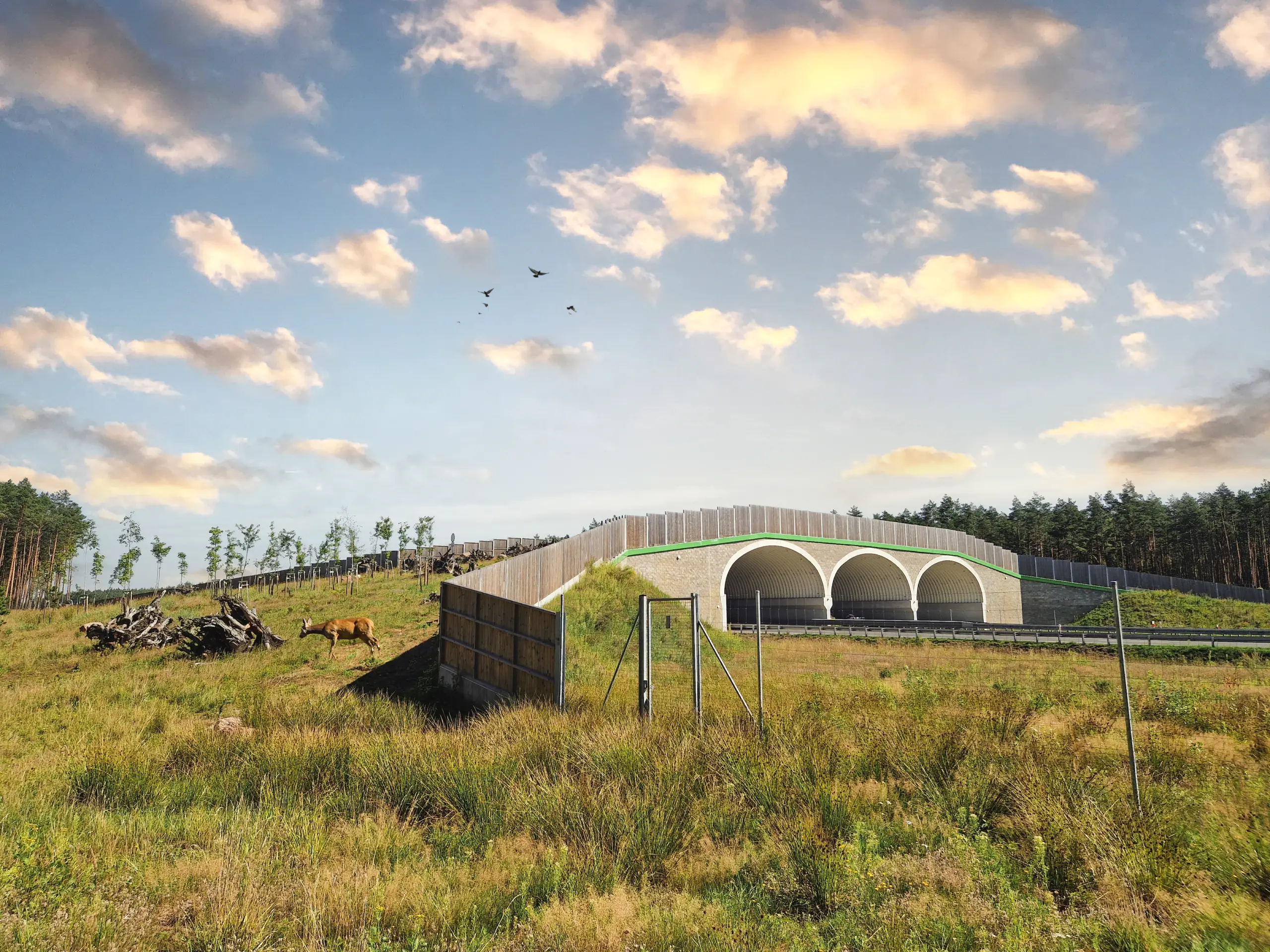
Applications:
- Roads and railway culverts
- Underground passages
- Ecological passages
- Hydrotechnical structures
- Relining of deteriorated structures
Steel: The smarter choice
The strength and sustainability of steel provides durability and lifespan advantages for construction projects.
Value engineering
With consultative problem solving and the versatility of steel, value engineering ensures adaptable, cost-effective solutions.
Case studies
Discover the full range of real-world implementations and sustainability benefits of ViaCon solutions and expertise.
Welcome to the ViaCon design toolkit
We have put together a selection of useful tools, calculators, information and downloadable resources to help you find what you need quickly and get the most out of your ViaCon system.
Contact your local ViaCon representative
Stainless steel pipes are a robust and versatile solution for a wide range of infrastructure applications, such as road culverts, drainage systems, and underground passages. Their high strength and corrosion resistance make them ideal for demanding projects that require long-term performance.
Stainless steel pipes offer several key advantages compared to traditional concrete:
-
Faster Installation: They are significantly lighter and easier to handle, allowing an 80-meter culvert to be assembled in just one day.
-
Cost-Effective: The reduced installation time, lower transport needs, and simplified assembly lead to significant savings in labor and material costs.
-
Durability: They are highly resistant to corrosion and wear, even in aggressive environments.
-
Eco-Friendly: Their production generates far lower CO₂ emissions, and the material is 100% recyclable.
They are engineered for exceptional longevity. With high resistance to corrosion and structural wear, stainless steel pipes have a designed service life of over 100 years with minimal maintenance requirements.
Installation is exceptionally fast. Their lightweight design allows for quick assembly in sections. For example, an 80-meter long by 3-meter wide culvert can be fully assembled by a small crew in just one day, dramatically reducing project time and site disruption.
Beyond the standard circular shape, they can be manufactured in a pipe-arch design. This special shape is optimized for hydraulic performance, providing 65-100% greater water flow capacity compared to a round pipe of the same height, making them ideal for high-demand drainage areas.
Yes. They are engineered to perform reliably in a wide range of challenging conditions. They can be installed in extreme temperatures (from -50°C to +50°C) and their high-strength, corrosion-resistant composition makes them highly durable in aggressive environments, such as industrial or marine settings.
Absolutely. Compared to concrete, the production of stainless steel pipes generates significantly lower CO₂ emissions and consumes less energy and water. The material is also 100% recyclable, and the rapid installation process reduces overall site pollution and disruption, making it a sustainable choice for modern infrastructure.
- Faster Installation: They are significantly lighter and easier to handle, allowing an 80-meter culvert to be assembled in just one day.
- Cost-Effective: The reduced installation time, lower transport needs, and simplified assembly lead to significant savings in labor and material costs.
- Durability: They are highly resistant to corrosion and wear, even in aggressive environments.
- Eco-Friendly: Their production generates far lower CO₂ emissions, and the material is 100% recyclable.